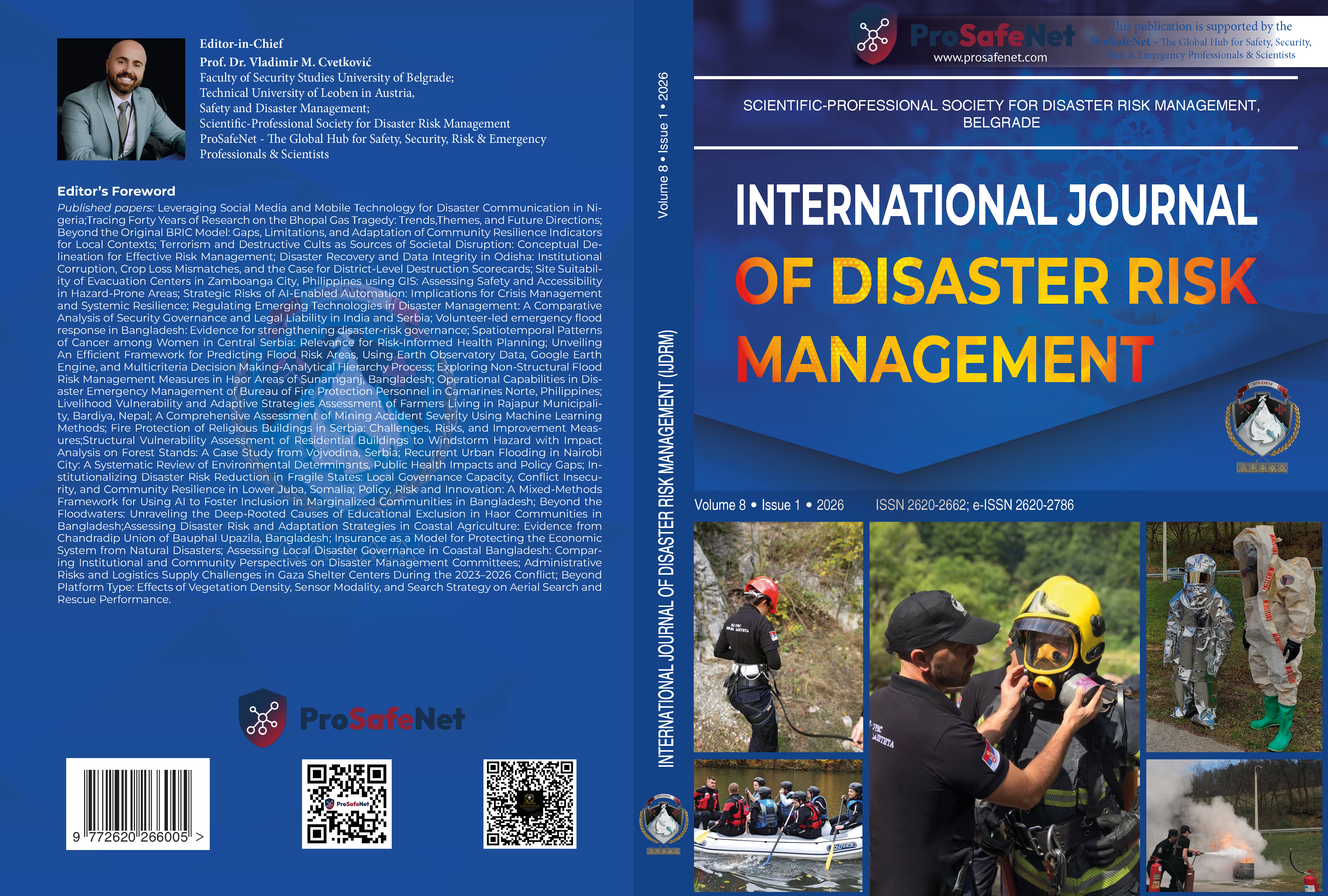
International Journal of Disaster Risk Management

About the Journal

The International Journal of Disaster Risk Management (IJDRM) is an international, double-blind peer-reviewed, fully open-access scholarly journal published semiannually under a continuous (rolling) publication model. The journal is dedicated to advancing interdisciplinary research, policy, and professional practice in disaster risk reduction, emergency management, resilience, and hazard studies. IJDRM publishes contributions addressing the full disaster risk management cycle—prevention, mitigation, preparedness, response, and recovery—and covers natural, technological, human-induced, biological, and environmental hazards, as well as complex emergencies and global crises.

Detailed information about the journal’s scope, editorial governance, publication model, policies, author and reviewer guidelines, publication fees, indexing, and other relevant matters is available through the main navigation menu.

Announcements

International Journal of Disaster Risk Management — Vol. 8, No. 1, 2026

New Issue Published: International Journal of Disaster Risk Management, Vol. 8, No. 1, 2026

2026-06-17

We are delighted to announce the publication of the latest issue of the International Journal of Disaster Risk Management (IJDRM) — Vol. 8, No. 1, 2026.

This issue features 26 peer-reviewed scientific papers and brings together authors from 18 countries, reflecting the journal’s strong international orientation and interdisciplinary scope in disaster risk management, resilience, preparedness, response, recovery, governance, technological risks, vulnerability, public health, logistics, and search and rescue.

This diversity of perspectives and contexts strengthens the journal’s mission to advance rigorous, internationally relevant research and practical insights for disaster risk reduction, emergency management, and community resilience.

All papers are available in full text, and the PDF files can be downloaded directly. We also warmly encourage authors and readers to share their articles across social media and academic networks, including ResearchGate, Academia.edu, LinkedIn, X/Twitter, institutional repositories, and personal websites, to increase visibility and strengthen the global exchange of knowledge.

Editor-in-Chief,

Prof. Dr. Vladimir M. Cvetković

Read more about New Issue Published: International Journal of Disaster Risk Management, Vol. 8, No. 1, 2026
Current Issue

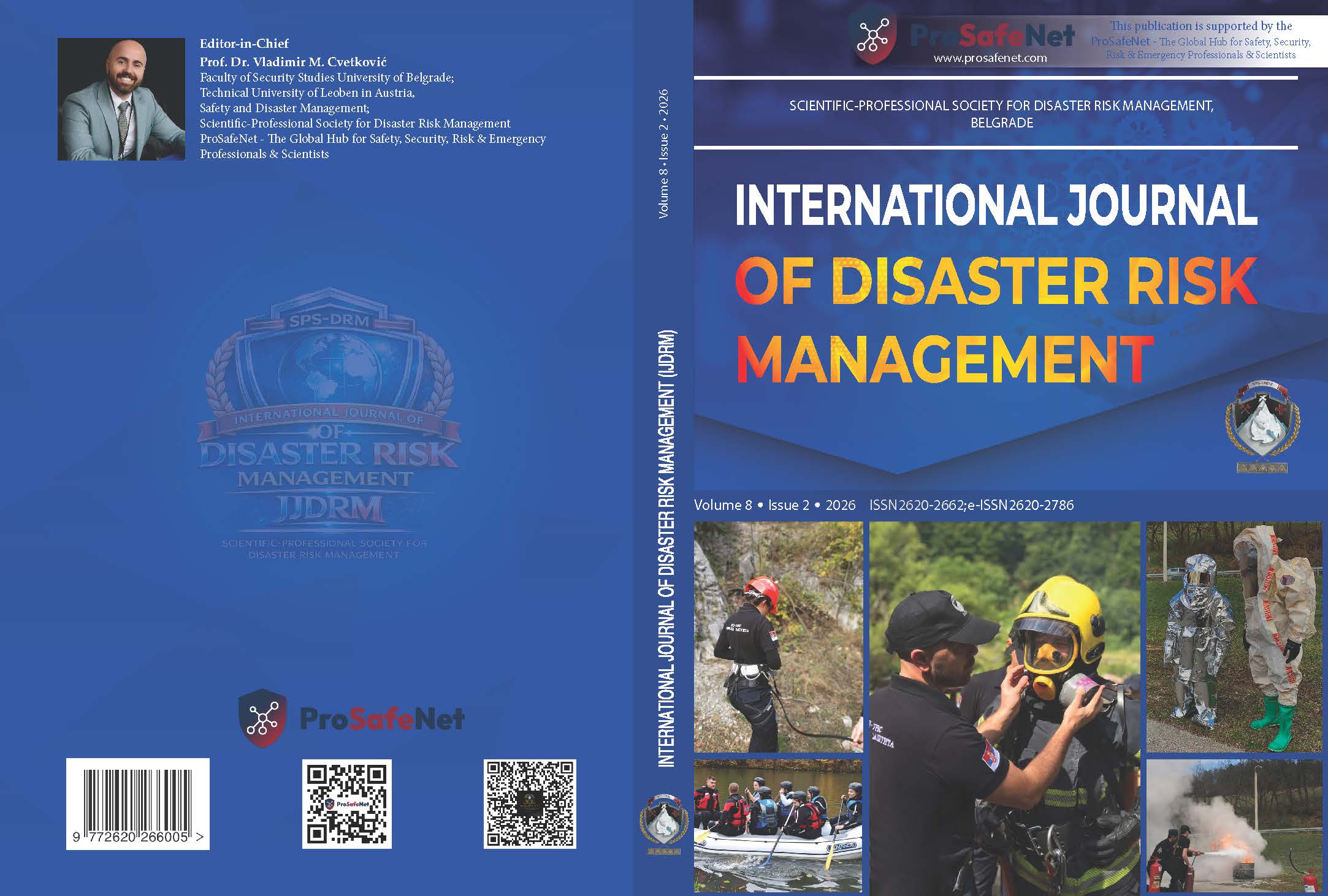
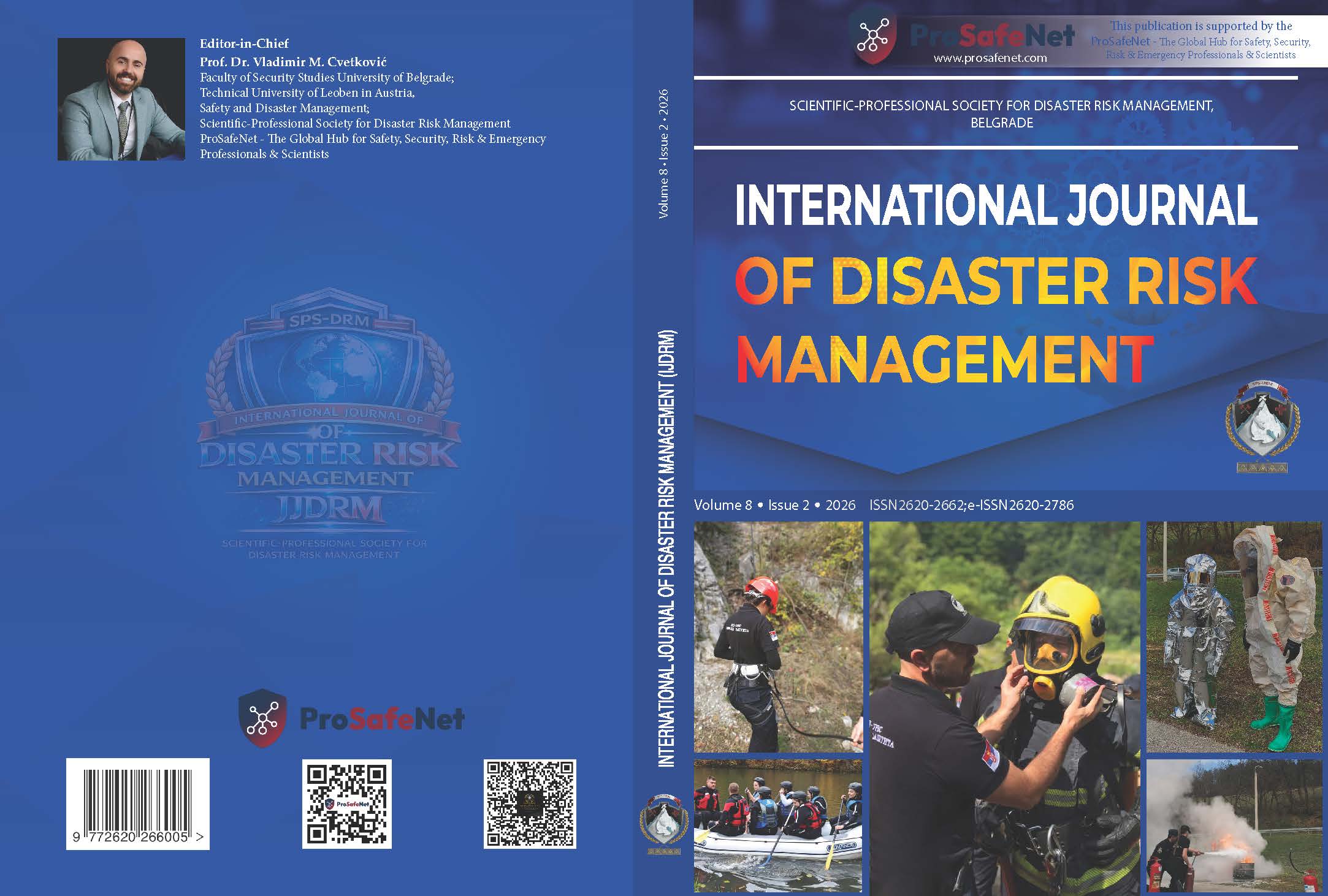
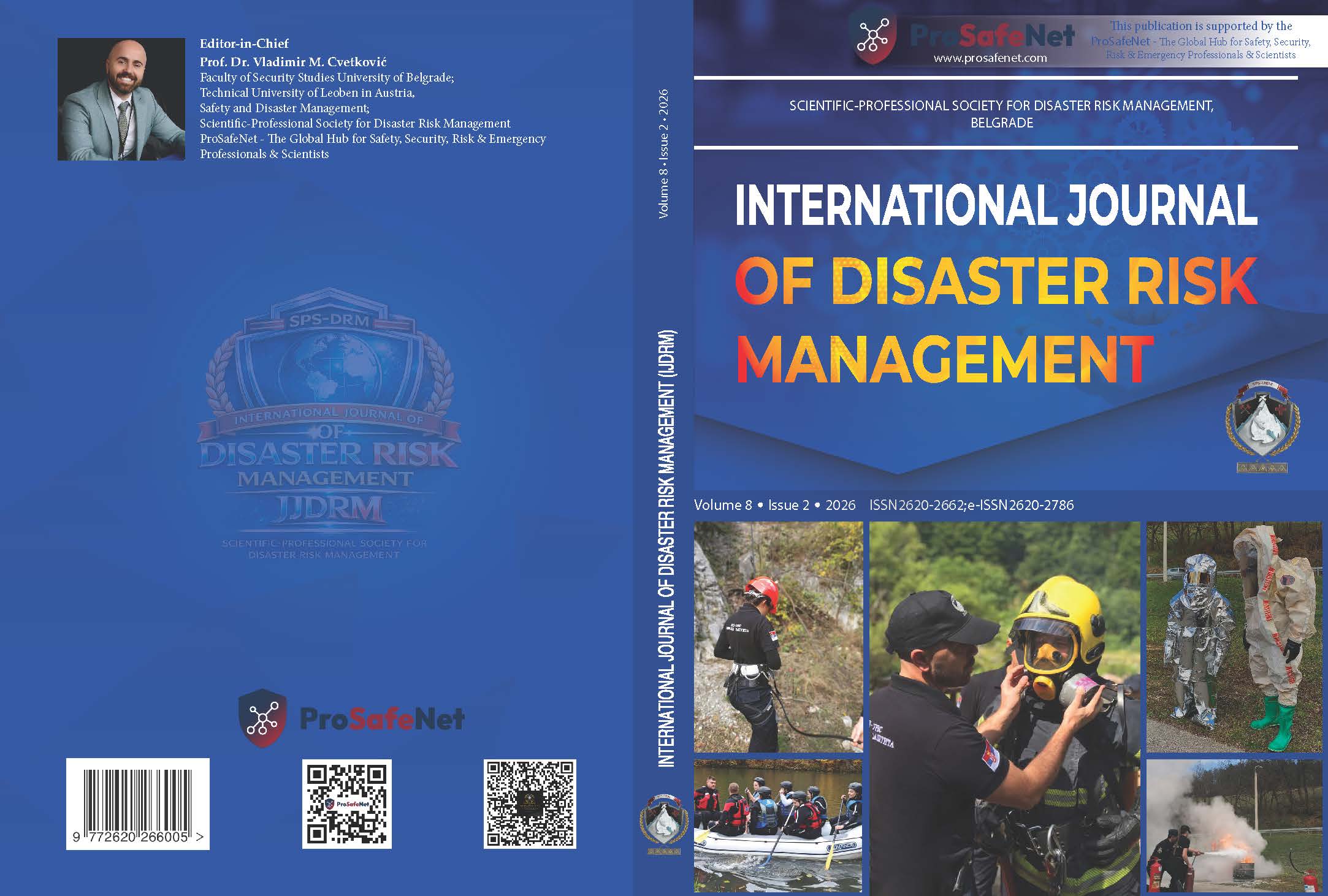
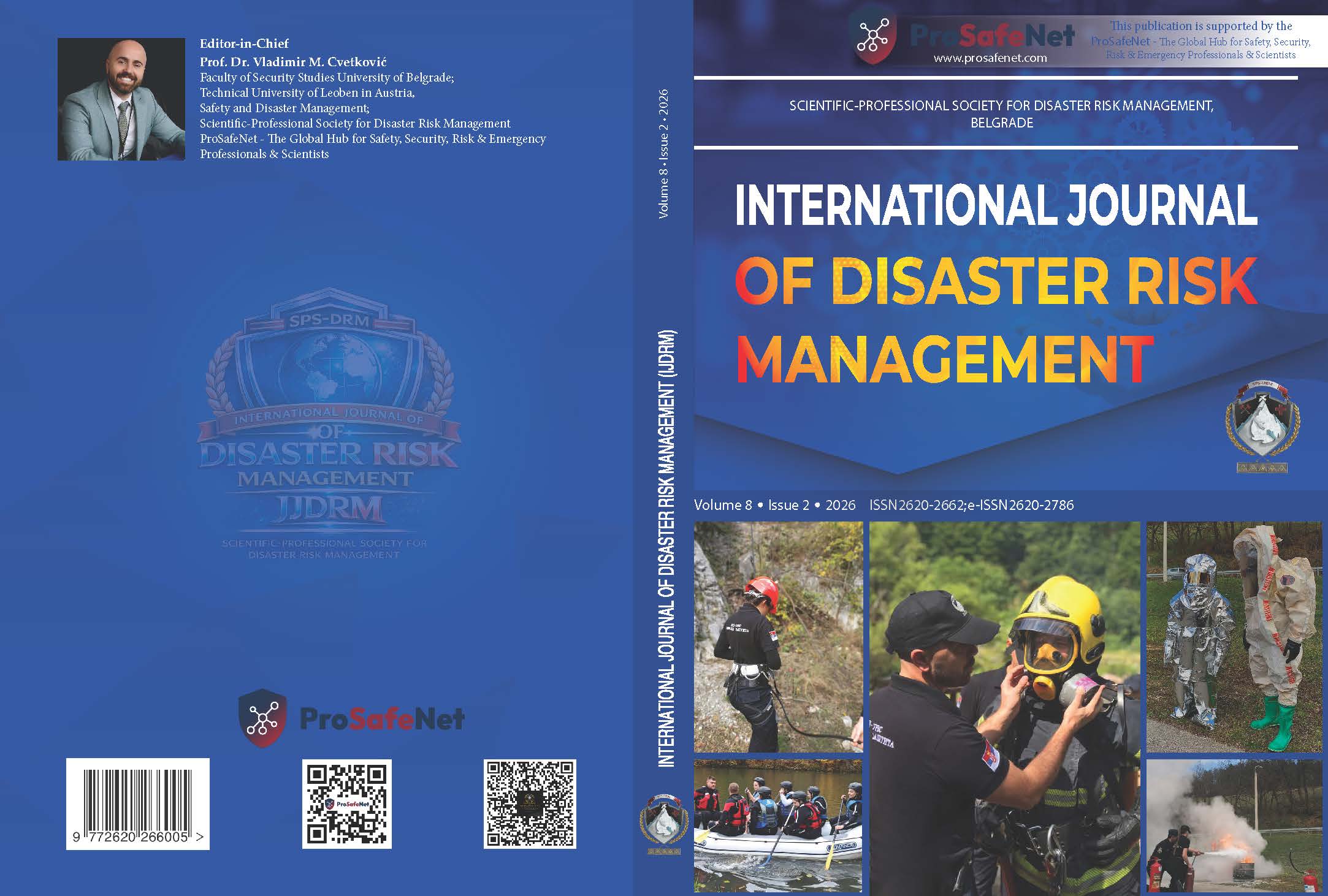
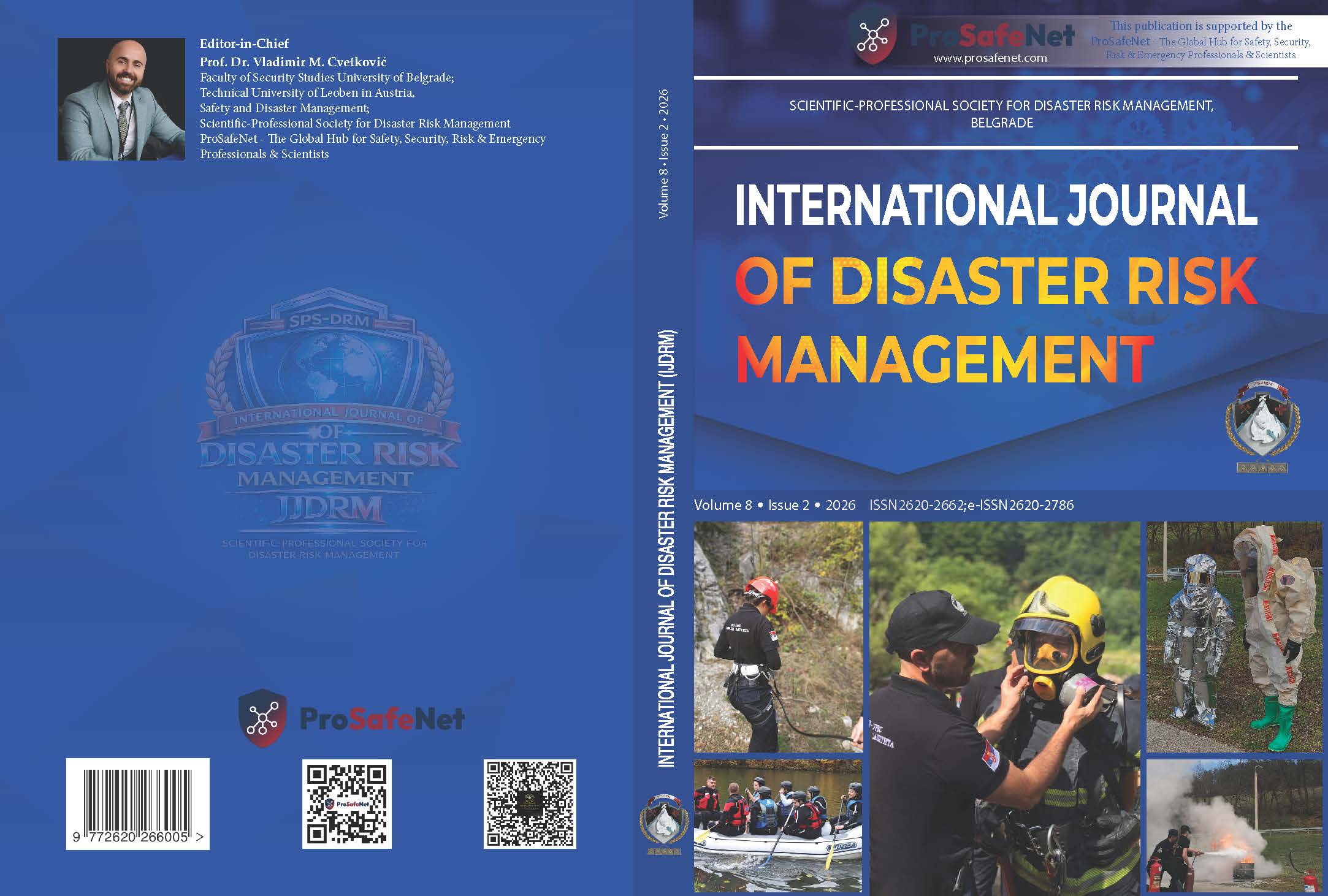
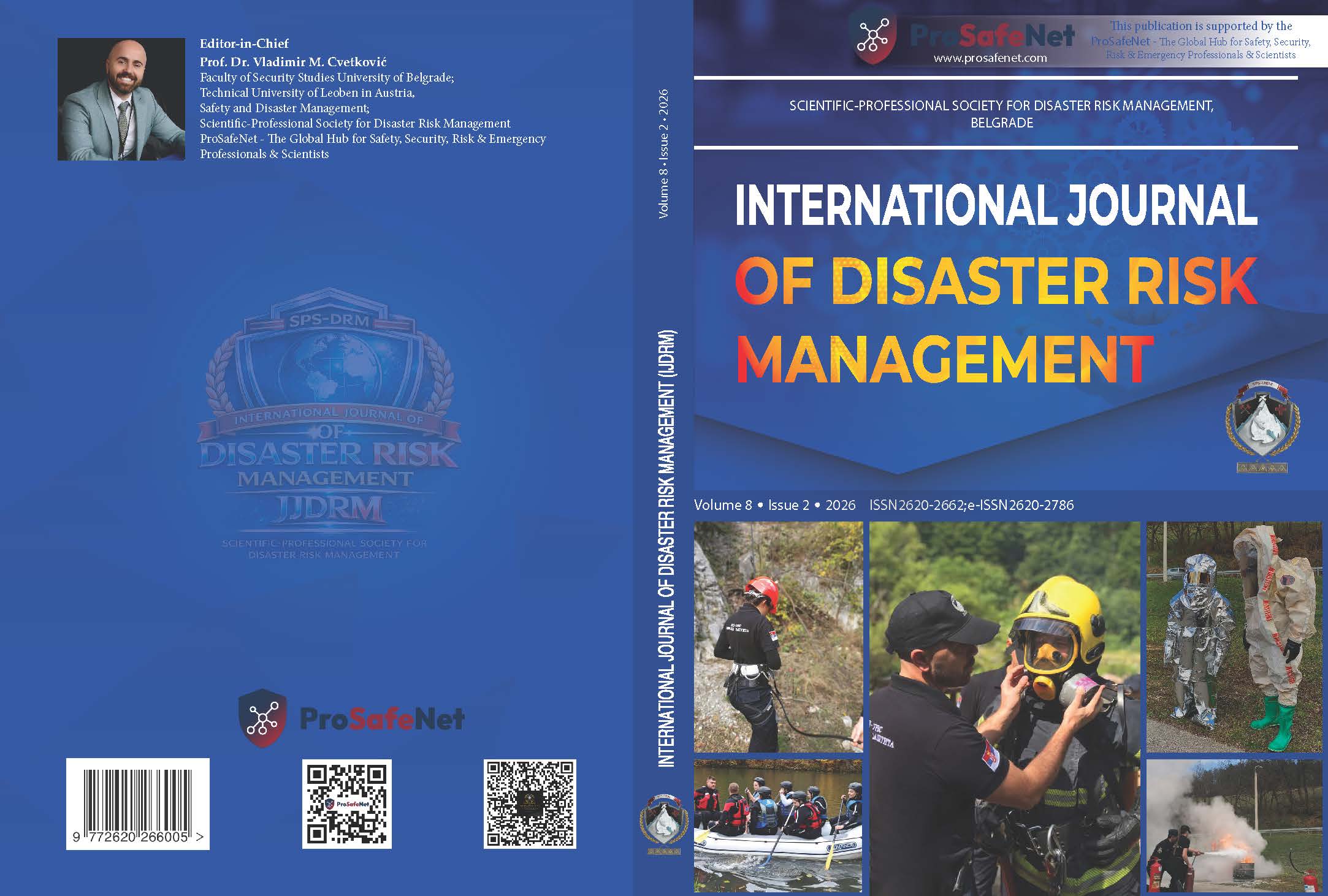
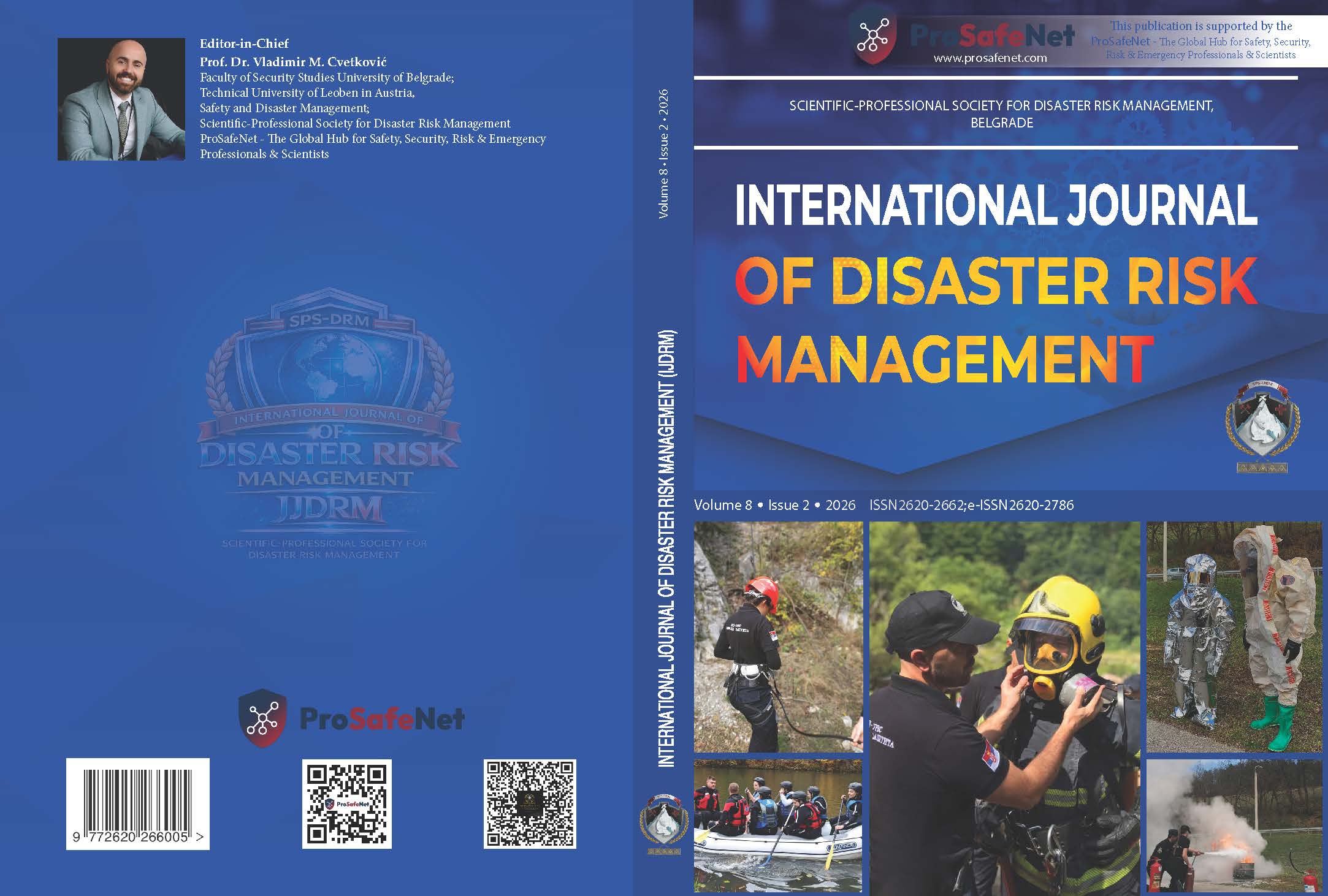
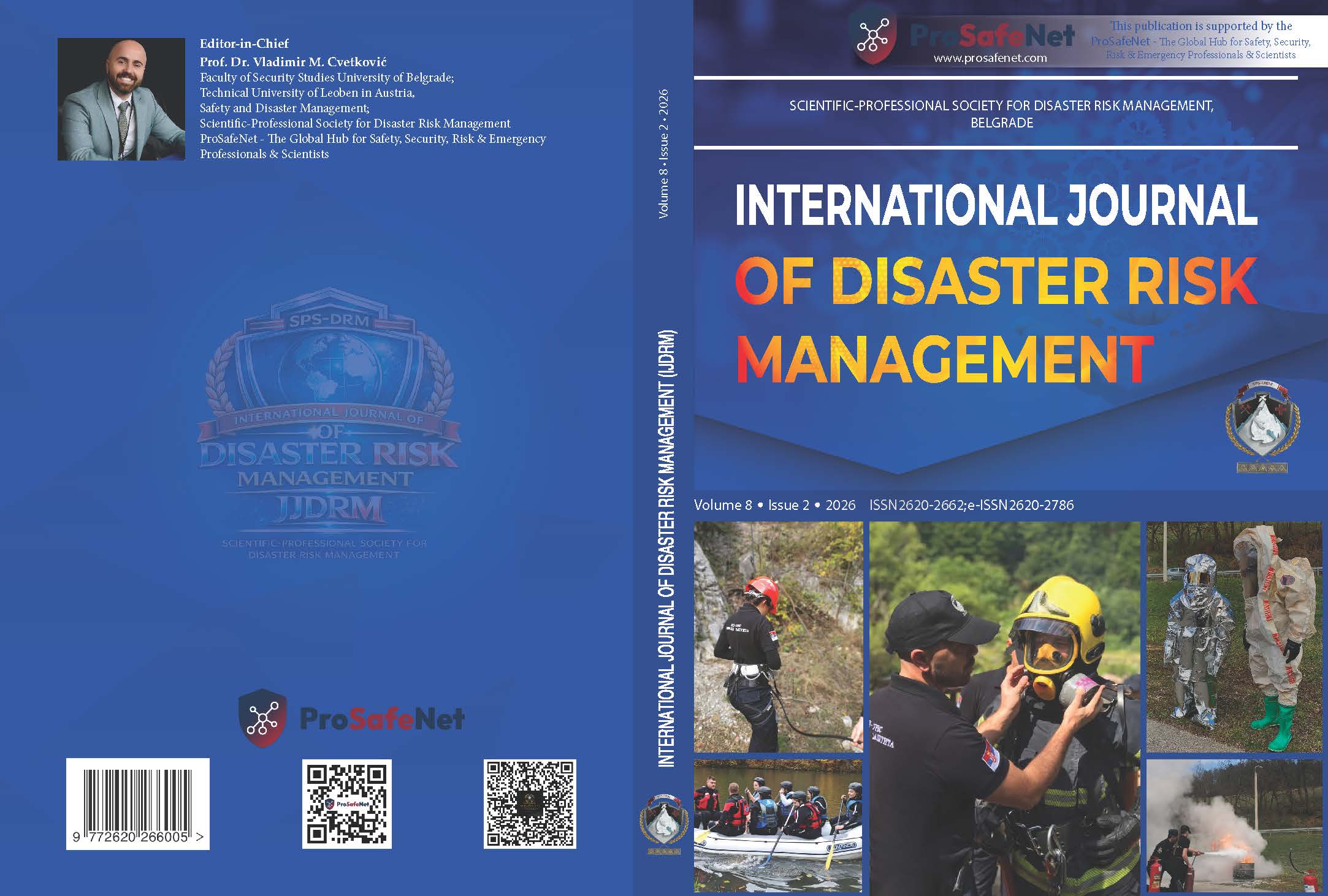
Vol. 8 No. 2 (2026): International Journal of Disaster Risk Management
View All Issues

About the Journal

The International Journal of Disaster Risk Management (IJDRM) is an international, peer-reviewed, open-access journal dedicated to advancing theoretical, methodological, and practical knowledge in disaster risk reduction, emergency management, civil protection, community resilience, climate change adaptation, environmental security, and related interdisciplinary fields.

The journal welcomes original research articles, review papers, case studies, methodological contributions, and other scholarly works addressing contemporary challenges associated with natural, technological, biological, environmental, and human-induced hazards and disasters.

Why Publish with IJDRM?

IJDRM provides:

  • rigorous double-blind peer review;
  • international editorial and reviewer expertise;
  • open-access publication;
  • DOI assignment for published articles;
  • global visibility and dissemination;
  • support for interdisciplinary and internationally comparative research;
  • transparent editorial and publication procedures.

Important Information for Authors

Authors must prepare their manuscripts using the journal’s official Microsoft Word template and submit the main manuscript exclusively in an editable .doc or .docx format. PDF files are not accepted as the main manuscript.

All submissions must comply fully with the journal’s Author Guidelines, publication ethics requirements, referencing style, authorship criteria, data transparency standards, and policies concerning the use of artificial intelligence and AI-assisted technologies.

Any use of generative AI or AI-assisted tools in writing, editing, translation, data analysis, image creation, or other stages of manuscript preparation must be clearly and transparently disclosed.

Before submitting a manuscript, authors are strongly encouraged to review:

  • Author Guidelines;
  • official manuscript template;
  • publication ethics and malpractice statement;
  • peer-review policy;
  • AI-use policy;
  • open-access and copyright policy;
  • article processing charge policy.

Scope and Research Areas

The journal particularly welcomes research in the areas of:

disaster risk reduction; emergency and crisis management; civil protection; community resilience; vulnerability and preparedness; disaster response and recovery; climate-related risks; environmental and technological hazards; critical infrastructure protection; risk perception and communication; public safety; humanitarian operations; disaster governance; sustainable development; and the application of emerging technologies in disaster risk management.